The Lie of Gratitude

LAGOS, NIGERIA — For eleven months of the year, the building on the outskirts of Lagos is quiet. But as December approaches, calls begin — not to donors, but to parents.
"Bring them back," a caretaker told one struggling mother. "We need a full house for Christmas."
Interviews, observation, and prior NGO findings describe a pattern sometimes referred to as "orphanage tourism," where children are temporarily staged to satisfy donor expectations.
The Human Cost

Subject: "Iya Ibeji" (Pseudonym)
"Iya Ibeji" is a pseudonym. She is a mother navigating poverty under a gatekeeping system that determines access to food, aid, and visibility.
"If I didn't bring them, there would be no food support. I felt like I was trading their health for survival."
How the System Works
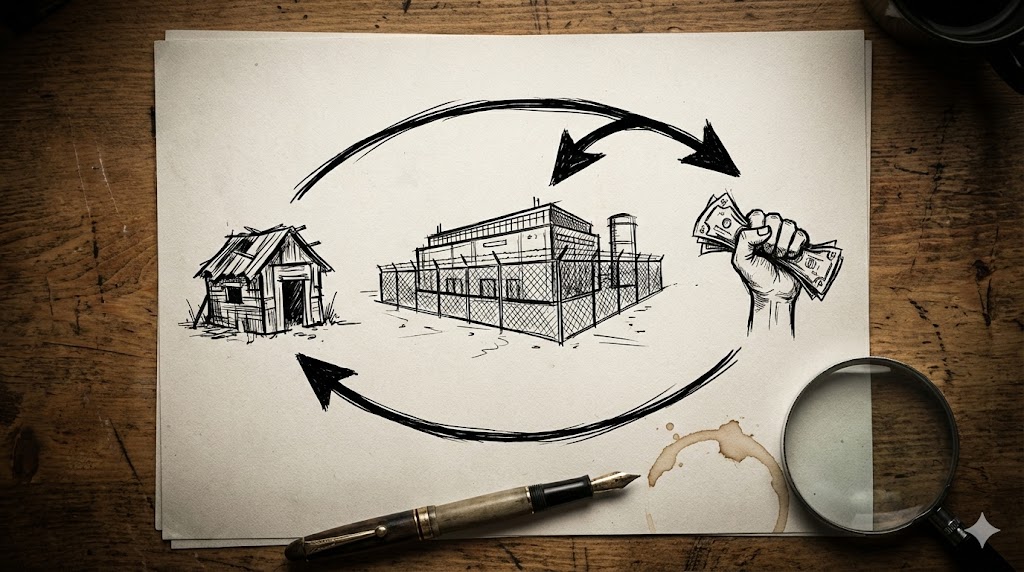
Based on interviews, observation, and prior NGO findings, the following pattern emerges in some facilities:
- Temporary Sourcing: Children from poor households are brought in during festive or donor-heavy periods.
- Staged Presentation: Children are dressed uniformly and instructed to remain visible during visits.
- Donation Capture: Contributions are frequently requested in cash, limiting transparency.
Donor Advisory: Red Flags
- ✖ Refusal to allow access to dormitories.
- ✖ Facilities that appear deliberately unkept.
- ✖ Pressure to donate cash.
Methodology: This report is based on field interviews, document review, site observation, and analysis of prior NGO reports.
This Christmas, ask yourself: Who is holding the key?